

How to Troubleshoot a Refrigerator That Trips the Breaker
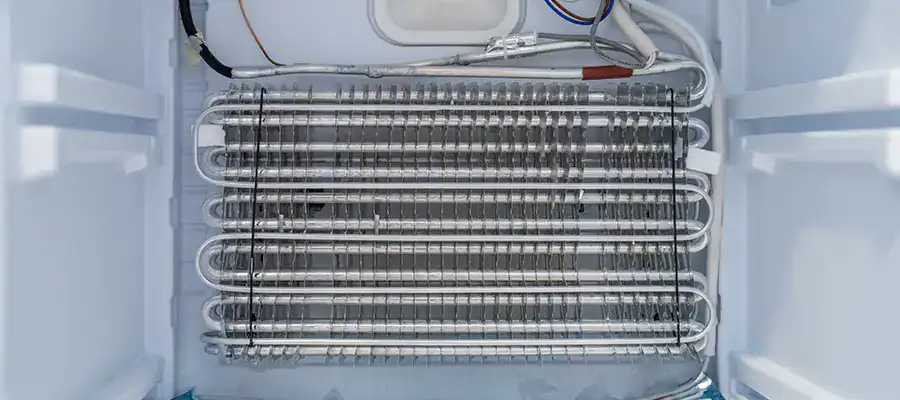
A refrigerator that constantly trips your circuit breaker is waving a giant red flag. Left unchecked, that mystery electrical glitch can turn into ruined food, a dead compressor, or a dangerous fire risk.
But many of the most common electrical faults are surprisingly easy to diagnose and fix yourself. Let’s review the top step-by-step checks to get your fridge back in prime working order.
1. Check for an Overloaded Circuit
Refrigerators pull a lot of power, especially when the compressor kicks on. If your fridge shares a circuit with other appliances, that combined draw might be tripping the breaker.
- Unplug other devices on the same circuit (microwaves, toasters, space heaters)
- Reset the breaker and monitor the fridge on its own
- Consider a dedicated circuit if this keeps happening
Most refrigerators need a dedicated 15-20 amp circuit. If yours is sharing power with the rest of the kitchen, that’s likely your problem.
2. Inspect the Power Cord and Outlet
A damaged cord or a faulty outlet can cause a short circuit, which will trip your breaker almost immediately.
- Look for frayed wires, burn marks, or a loose plug
- Test the outlet with another appliance to confirm it’s working
- Replace a damaged cord instead of patching it
If you smell burning plastic or see scorch marks anywhere near the outlet, stop and call an electrician before you do anything else.
3. Clean the Condenser Coils
Dirty condenser coils force the compressor to work harder, increasing the electrical load and potentially tripping a breaker.
- Unplug the fridge and locate the coils (usually behind or underneath)
- Vacuum away dust, pet hair, and debris
- Repeat this every 6 months to prevent buildup
Clean coils don’t just help with tripped breakers. They also help your fridge run more efficiently, which means smaller energy bills.
4. Test the Compressor
The compressor is the heart of your fridge’s cooling system and the most power-hungry component. A failing compressor often draws excess current right before it trips the breaker.
- Listen for unusual humming, clicking, or buzzing
- Feel for excessive heat coming from the back panel
- Watch for the fridge running constantly without cooling properly
A failing compressor is a job for a licensed appliance repair technician, not a DIY fix.
5. Examine the Start Relay
The start relay helps the compressor start up. When it malfunctions, it can cause a surge of electricity that trips the breaker.
- Listen for a clicking sound every few minutes, a sign that the relay is struggling
- Check if the fridge stops cooling shortly after starting
- Replace the relay if you’re comfortable with basic appliance repair
Start relays are inexpensive and relatively simple to replace, making this a good starter project if you already have some DIY repair experience.
6. Look for a Faulty Evaporator Fan Motor
If the evaporator fan motor is failing or seizing up, it can draw more current than the circuit can handle.
- Check for grinding or rattling noises inside the freezer
- Feel for uneven cooling between the fridge and freezer sections
- Inspect the fan for obstructions like ice buildup
Sometimes a quick defrost clears the ice and solves the issue. If the noise persists after defrosting, the motor itself may need to be replaced.
7. Rule Out a Bad Breaker
Sometimes the fridge isn’t the problem. The breaker itself might be worn out or too sensitive.
- Test the breaker with a different appliance
- Check for a burning smell or discoloration around the breaker panel
- Replace the breaker if it trips even under normal loads
Breakers don’t last forever. If yours is original to a home that’s 15 to 50 years old, it may be at the end of its lifespan.
When to Call a Professional
If you’ve worked through these steps and the breaker keeps tripping, it’s time to bring in a licensed electrician or appliance repair technician.
Recurring electrical issues can indicate deeper wiring problems, and it’s not worth risking your safety or your fridge full of groceries to save on a service call.
FAQs: Troubleshooting a Refrigerator
Q: Why does my refrigerator keep tripping the breaker?
The most common causes are an overloaded circuit, a failing compressor, dirty condenser coils, or a faulty start relay. Working through each cause systematically helps you narrow down the source.
Q: Is it dangerous if my refrigerator trips the breaker repeatedly?
Yes. Repeated tripping can be a sign of a short circuit or an overworked electrical system, both of which pose fire risks if left unaddressed.
Q: Can I fix a tripped breaker myself?
Resetting a breaker is simple, but repeated tripping requires investigating the underlying cause. Some fixes, like cleaning coils, are DIY-friendly. Others, like compressor issues, need a professional.
Q: How often should I clean my refrigerator’s condenser coils?
Aim for every 6 months. Homes with pets may need more frequent cleaning since pet hair builds up faster.
Q: Should my refrigerator be on its own circuit?
Yes. Refrigerators need a dedicated circuit to handle their power draw safely, especially during compressor startup.
Q: What does it mean if my fridge makes a clicking noise before tripping the breaker?
This often points to a failing start relay, which can cause a power surge as the compressor attempts to start.
Q: How do I know if my compressor is failing?
Look for excessive heat, unusual noises, or a fridge that runs constantly but doesn’t cool properly. These are signs your compressor needs professional attention.
Q: Can old wiring in my house cause my refrigerator to trip the breaker?
Yes. Homes 15 to 50 years old may have wiring or breakers that aren’t up to the demands of modern appliances. An electrician can assess whether an upgrade is needed.
More Articles
0 Comments