
Why Is My Air Conditioner Blowing Hot Air?
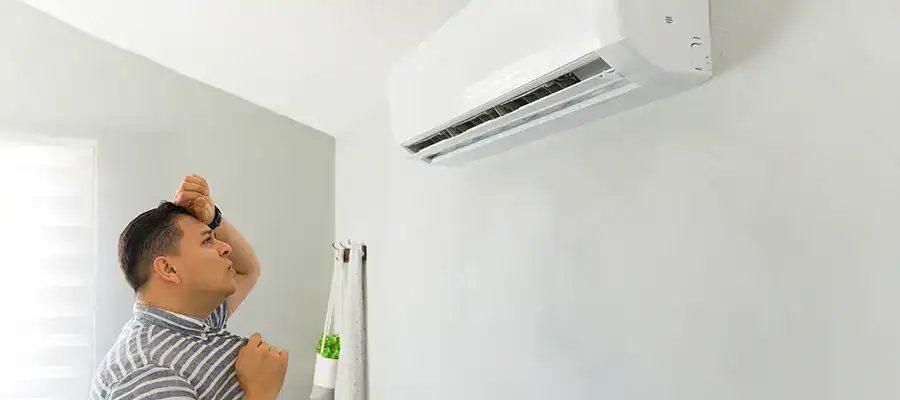
If your air conditioner is blowing hot air, it usually means it can’t finish the cooling cycle. The most common reasons are a dirty air filter, low refrigerant, a tripped circuit breaker, or a frozen evaporator coil. Check the filter, thermostat, breaker, and outdoor unit first. Many of these problems are easy to find and fix yourself.
Start With the Most Common Culprits
Southern California summers can really test your patience. After yard work, running errands, or chasing the kids at the park, you expect a refreshing blast of cool air when you walk inside. Instead, you find your air conditioner blowing warm air. The couch feels sticky, the dog is stretched out on the coolest tile, and everyone is asking, “What’s wrong with the air conditioner?”
Fortunately, an air conditioner blowing warm air doesn’t always mean a costly repair. The problem is often something simple, like a dirty air filter, an incorrect thermostat setting, or a tripped circuit breaker, things you can fix yourself in less than an hour.
This guide covers the most common reasons your air conditioner might be blowing hot air, what to check first, and when to call a professional. Start with the easiest fixes, and if that doesn’t work, try the next likely cause.
Why Your AC Isn’t Keeping You Cool
Your air conditioner cools your home by drawing in warm air, passing it over refrigerant-filled coils, and sending the cooled air back through the vents. If any part of this process fails—airflow, refrigerant, or power—the system can’t cool properly. This leads to lukewarm or even hot air coming from the vents.
Think of it like a quick detective hunt. Check the simple things first before assuming your AC has given up for the summer.
A Dirty Air Filter Is Causing the Problem
Start by checking the air filter. A clogged filter restricts airflow over the evaporator coil, which can cause the coil to freeze and prevent the system from cooling properly. This is one of the easiest AC problems to avoid.
What to do: Find your filter, usually in the return air vent or air handler. Remove it and hold it up to the light. If you can’t see through it, it’s time to replace it. In Southern California, standard 1-inch filters often need to be replaced every 30 to 60 days during high-usage times due to higher dust levels.
Filters are affordable and easy to find at hardware stores. A clean filter helps your AC run more efficiently, cool more effectively, and avoid many problems that can lead to costly service calls.
Your Thermostat Is Set Incorrectly
It may seem obvious, but it’s important to check. If your thermostat fan is set to ON instead of AUTO, the system will keep moving air even when the compressor is off. This means you’ll feel room-temperature air from the vents.
What to do: Set your thermostat to COOL and make sure the fan is on AUTO. If you have a smart thermostat, check the settings in the app.
The Circuit Breaker Has Tripped
Your AC has two main parts: the indoor air handler and the outdoor condenser unit. Each usually has its own electrical circuit. If the outdoor condenser loses power but the indoor blower keeps running, warm air will continue to circulate through your home.
What to do: Check your electrical panel for tripped breakers. Reset any breakers that are in the middle position. If one trips again right away, stop resetting it. This usually means there’s a bigger electrical problem, so call a licensed electrician or HVAC technician.
The Outdoor Condenser Unit Isn’t Running
Take a quick trip outside and check the condenser unit, the large metal box next to your home. If the fan isn’t spinning or you don’t hear the usual hum of the compressor, you’ve probably found the problem.
Overheating: Condenser units can overheat and temporarily shut down on very hot days, especially if airflow is blocked. Make sure there is at least 2 feet of space around the unit and clear away any leaves, weeds, furniture, or other debris.
Dirty condenser coils: Dust, dirt, and plant material can collect on the coils, making it harder for the system to release heat. Turn off the power, then gently rinse the coils with a garden hose.
Capacitor failure: The capacitor helps start the compressor and fan motors. If it fails, neither will run. Replacing a capacitor is a moderate DIY repair. Parts usually cost $15 to $50, but only try this if you are comfortable working with electrical components.
The Refrigerant Is Low
Refrigerant absorbs heat from the air in your home. If there is a leak, the refrigerant level drops, and the system can’t cool properly.
Signs of low refrigerant include:
- Ice forming on the refrigerant lines or evaporator coil.
- A hissing or bubbling sound near the unit.
- Warm air from the vents even though the system appears to be running normally.
What to do: Only EPA-certified professionals can handle refrigerant. This isn’t a DIY repair. If you suspect a refrigerant leak, call a licensed HVAC technician. Simply adding more refrigerant without repairing the leak only provides a temporary fix.
The Evaporator Coil Is Frozen
A frozen evaporator coil often occurs due to restricted airflow from a dirty filter or low refrigerant levels. When the coil is covered in ice, it can’t absorb heat well, and your system may start blowing warm air.
What to do: Turn off the air conditioner and set the fan to ON to help warm the coil. This usually takes 1 to 3 hours. After the ice melts, replace the air filter and restart the system. If the coil freezes again, call a technician to check the refrigerant level and drainage system.
When to Call a Professional
The fixes above cover most problems homeowners can safely handle. It’s time to call a licensed HVAC technician if:
- The circuit breaker keeps tripping.
- You suspect a refrigerant leak.
- The compressor won’t start.
- Your system is 10 to 15 years old and keeps having problems.
- The AC still blows warm air after you’ve completed the basic troubleshooting steps
In Southern California, HVAC companies are often busiest during the summer. If possible, schedule your appointment early in the morning for a better chance at same-day service. During a heat wave, you may have to sweat it out for a day or two.
How to Prevent Your AC From Blowing Hot Air
Spending a few minutes on maintenance each month can save you hours of frustration when the next heat wave arrives.
- Replace filters every 30 to 60 days during peak cooling season.
- Schedule annual maintenance each spring before hot weather arrives.
- Keep the outdoor condenser unit clear of leaves, weeds, and debris.
- Check refrigerant lines for ice or visible damage at the beginning of each cooling season.
- Use a programmable or smart thermostat to reduce unnecessary strain on the system.
Fix It Fast, Stay Cool Longer
Often, an air conditioner blowing hot air is caused by a simple problem such as a clogged filter, an incorrect thermostat setting, or a tripped breaker. Go through the checklist above before calling for service, and you might have cool air again sooner than you thought possible.
If the problem is more complicated, you’ll still be ahead. Telling the technician what you’ve already checked can speed up the diagnosis, reduce labor time, and help get your home comfortably cool again.
FAQs: Air Conditioner Blowing Hot Air
Q: Why is my AC running but not cooling the house?
If your system is running but not cooling, the most common causes are a clogged air filter, a frozen evaporator coil, or low refrigerant. Check the filter first since it’s the easiest and most common fix.
Q: Can I fix my AC blowing hot air myself?
Many problems can be fixed yourself, such as replacing a dirty filter, resetting a tripped breaker, clearing debris around the condenser, or thawing a frozen evaporator coil. Refrigerant leaks and electrical repairs should always be left to a licensed HVAC technician.
Q: How do I know if my AC is low on refrigerant?
Common signs include ice on the refrigerant lines, a hissing or bubbling sound near the unit, and warm air coming from the vents even though the system appears to be running normally.
Q: Why does my AC blow hot air when it’s really hot outside?
On extremely hot days, the outdoor condenser can overheat and temporarily shut down. Make sure there’s adequate clearance around the unit and the condenser coils are clean. Once the unit cools down, it may resume working normally.
Q: What does it mean when my AC blows hot air for a few minutes, then cools down?
This can indicate a dirty condenser coil or a refrigerant problem that’s making it difficult for the system to keep up. If the problem continues, schedule a maintenance visit before it becomes more serious.
Q: Can extreme Southern California heat make it seem that my AC isn’t working?
Yes. When temperatures climb into the upper 90s or higher, even a properly functioning air conditioner has to work much harder. Many systems can only maintain indoor temperatures about 20°F cooler than the outdoor temperature during the hottest part of the day. Closing blinds, using ceiling fans, and avoiding heat-producing appliances can help your AC keep up.
Q: Can my electric utility cause my AC to stop cooling?
Yes. Some Southern California utilities offer voluntary demand-response programs that temporarily cycle the outside compressors of participating air conditioners during periods of high electricity demand. Your indoor blower fan may continue running, so it can feel like the AC is blowing warm air even though nothing is actually broken. If you’re enrolled, check for notifications or event alerts before assuming your AC has malfunctioned.
Q: When should I replace my AC unit rather than repair it?
If your system is 10 to 15 years old, needs frequent repairs, or still uses R-22 refrigerant (which is no longer manufactured), replacement is often the better long-term investment. An HVAC professional can help you compare repair costs with the cost of installing a new system.
More Articles
0 Comments