

How to Clean a Washer Drum in 6 Simple Steps
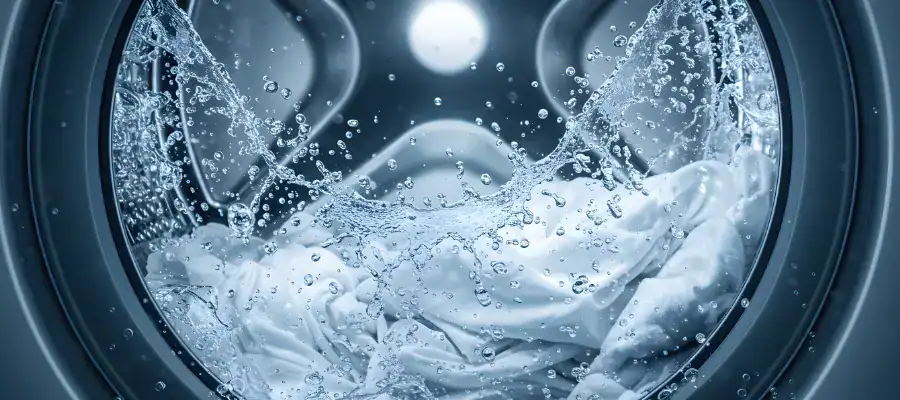
When was the last time you took a good look inside your washing machine, and not just for a missing sock? Did you notice a musty smell on your “clean” clothes or see grime around the door seal?
A dirty washer drum smells bad. It also works less efficiently and can shorten the appliance’s lifespan. Detergent residue, hard water deposits (common in Southern California), and mold build up over time.
Cleaning your washer drum involves 6 simple steps you can complete in an afternoon. Woo-hoo! You had nothing better to do, right?
Why Your Washer Drum Needs Cleaning
You might assume that because soap and water constantly flow through your machine, it cleans itself. Not so fast.
- Detergents and fabric softeners leave behind a waxy residue.
- Hard water leaves calcium deposits that clog sprayers and drain pipes.
- The dark, damp environment is perfect for mildew, especially in front-loaders.
Regular cleaning prevents expensive repair bills and ensures optimal performance.
Materials You’ll Need
- White vinegar (about 4 cups)
- Baking soda (about 1/2 cup)
- Microfiber cloth or sponge
- Old toothbrush
- Spray bottle
- Hot water
Step 1: Clean the Dispensers
Before tackling the drum, start with the removable parts. The detergent and fabric softener drawers are prime spots for mold growth.
- Pull out the dispenser drawer until you feel resistance.
- Press the release tab (usually located in the back) to remove it completely.
- Soak the drawer in a sink filled with hot water and soap.
- Scrub away hardened detergent with an old toothbrush.
- Wipe down the empty drawer slot in the machine before replacing the clean dispenser.
Step 2: Tackle the Door Seal (Gasket)
This step is critical for front-loading machines. The rubber gasket catches lint, hair, and stagnant water.
- Open the door wide and pull back the folds of the rubber seal.
- Check for trapped items like coins or hairpins.
- Spray the vinegar into the folds of the seal.
- Wipe thoroughly with a microfiber cloth.
- If you spot stubborn black mold, leave a vinegar-soaked towel on the spot for an hour before scrubbing with a toothbrush.
Step 3: Run a Vinegar Cycle
Vinegar is a natural acid that breaks down mineral deposits and cuts through grease without damaging machine components.
- For Front-Loaders: Pour 2 cups of white vinegar into the detergent dispenser.
- For Top-Loaders: Pour 4 cups of white vinegar directly into the drum.
- Select the hottest water setting available and the longest cycle (or the “Sanitize” cycle if you have one).
- Start the machine and let it run through the wash and rinse cycle.
Step 4: Run a Baking Soda Cycle
Once the vinegar cycle is complete, baking soda will act as a mild abrasive to scrub away loosened grime and neutralize odors.
- For Front-Loaders: Sprinkle 1/2 cup of baking soda directly into the drum.
- For Top-Loaders: Sprinkle 1 cup of baking soda into the drum.
- Run another hot water cycle.
- Note: Do not add vinegar during this step. Vinegar and baking soda neutralize each other if mixed directly in the wash water, reducing their cleaning power.
Step 5: Wipe Down the Drum and Exterior
After the second cycle finishes, the inside of your machine should be sanitized and sparkling.
- Use a clean, dry microfiber cloth to wipe out any remaining residue inside the drum.
- Wipe the inside of the door glass.
- Clean the exterior controls and top of the machine with a damp cloth to remove dust and detergent drips.
Step 6: Leave the Door Open
Moisture is the enemy. The easiest way to keep your washer clean longer is to improve airflow.
- Leave the door or lid ajar after every load of laundry.
- This allows the drum to dry out completely.
- Prevents the immediate return of mildew smells.
Maintenance Tips for Southern California Homes
Our local water conditions and climate impact how you should care for appliances.
- If you don’t have a whole-home water softener, clean your washer more frequently (monthly instead of quarterly) to manage calcium buildup.
- If you have a newer energy-efficient model, ensure you only use HE detergent. Regular soap creates excessive suds, resulting in more residue.
- Many front-loaders have a drain pump filter behind a small door near the floor. Clean this out every few months to prevent drainage issues.
FAQs: Cleaning a Washer Drum
Q: How often should I clean my washing machine?
You should clean your washer once a month if you use it daily or have hard water. For average use, cleaning it every three months is sufficient.
Q: Can I use bleach instead of vinegar?
Yes, bleach is an effective disinfectant. However, it’s harsh on rubber seals and shouldn’t be mixed with other cleaners. Vinegar is generally safer for regular maintenance and better at removing hard water scale.
Q: Why does my washer smell like rotten eggs?
This usually indicates bacteria growing in the drum or drain pipe due to trapped moisture. Following the steps with vinegar and baking soda above will kill the bacteria and remove the odor.
Q: Is it safe to mix vinegar and baking soda in the washer?
It’s safe, but not efficient for cleaning. Mixing them creates a fizzing reaction that turns into water and salt. It is better to use them in separate cycles: vinegar first to break down buildup, then baking soda to scour and deodorize.
Q: Can I use Affresh or other commercial cleaners?
Yes. Commercial tablets are convenient and formulated to dissolve slowly throughout the cycle. However, vinegar and baking soda are cheaper, eco-friendly alternatives that are just as effective for most homes.
Q: Does cleaning the washer save energy?
A clean washer heats water faster and drains more efficiently. Removing scale buildup from heating elements allows the machine to operate as intended, keeping your utility costs down.
Q: My top-loader has a center agitator. How do I clean that?
The agitator cap often pops off. Check your manual. If removable, soak the cap in hot, soapy water and use a brush to clean the top of the agitator column, where grime typically collects.
Q: Will vinegar damage the rubber seals?
Vinegar is a mild acid and is generally safe for rubber seals when used in a diluted wash cycle. If you use undiluted vinegar to wipe the seal, just be sure to wipe it away with water afterward.
More Articles
0 Comments