
Laundry Appliance Repair Tips
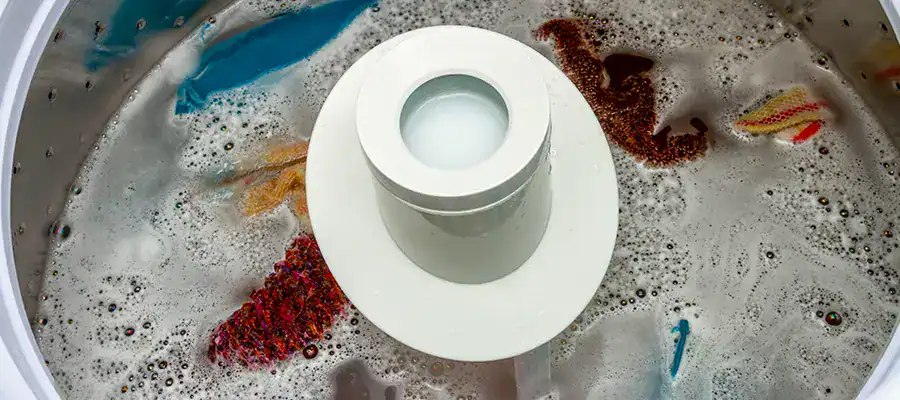
In most cases, a washer that refuses to drain has a clogged hose, a blocked pump filter, or a stray object wedged in the drain pump. Fortunately, with a few basic tools and less than an hour, you can fix the problem yourself and keep $150 or more in your pocket.

When was the last time you took a good look inside your washing machine, and not just for a missing sock? Did you notice a musty smell on your “clean” clothes or see grime around the door seal?
A dirty washer drum smells bad. It also works less efficiently and can shorten the appliance’s lifespan.
Even the most reliable washer can encounter issues.
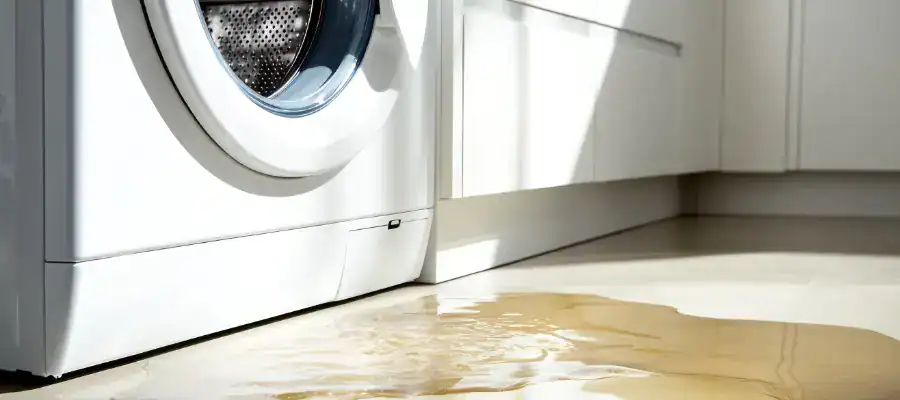
If your machine doesn’t drain, and you notice water pooling on the floor, it’s clear something has gone wrong.
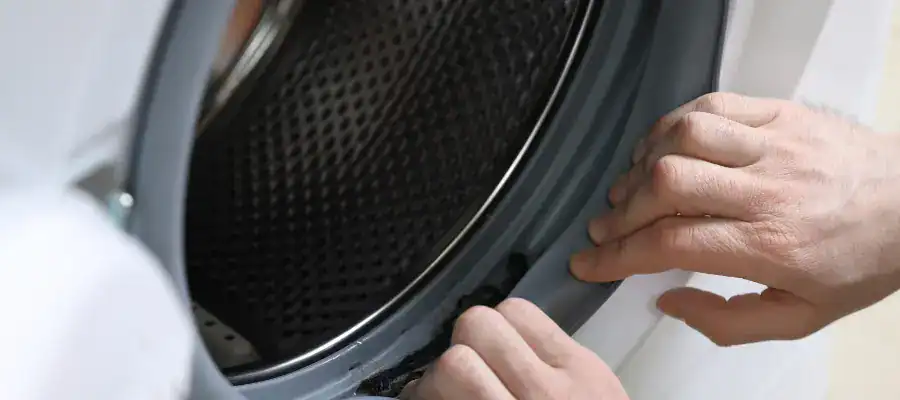
If your front-load washer smells like a swamp or leaves a mystery puddle on the floor, it’s sending you a message.
But you don’t need to call a repair tech just yet. Replacing the seal yourself is a manageable DIY project that can restore your washer to its like-new performance.
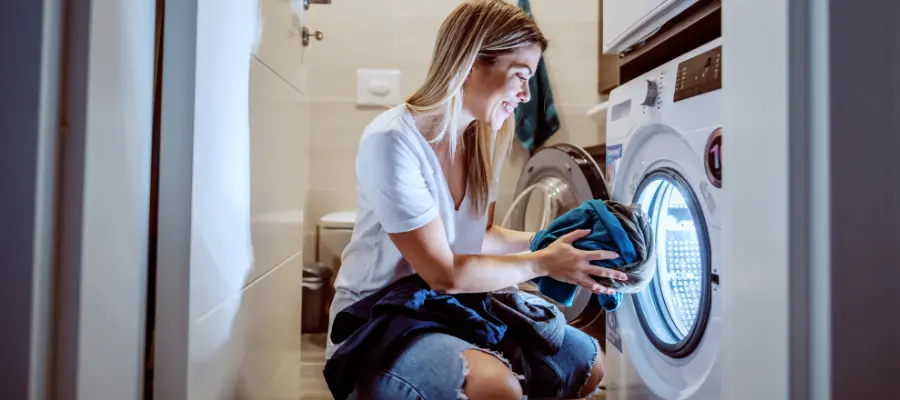
Choosing between a top-load and a front-load washer can feel confusing if you’re not sure how they differ.
This guide covers the basic design, function, and everyday considerations of each style to help you understand how they work.
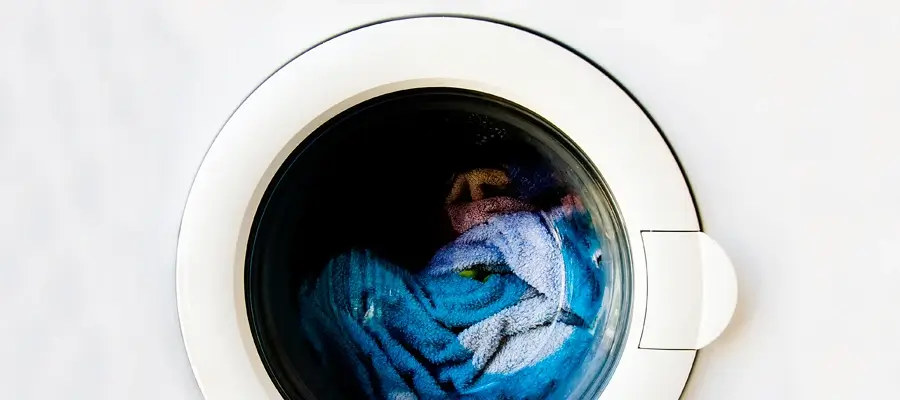
Is there anything worse than a washing machine that won’t work when your entire wardrobe is in the hamper?
Yes, but it’s still frustrating to someone forced to wear the same smelly socks three days in a row.
Don’t sit there and stew. Take action!
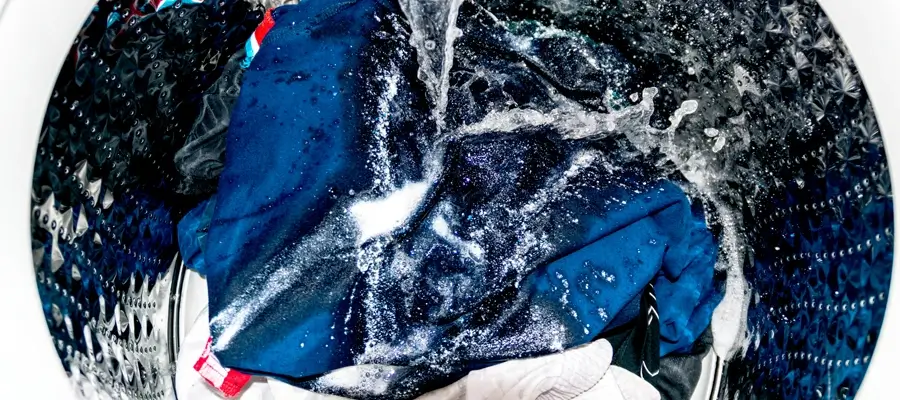
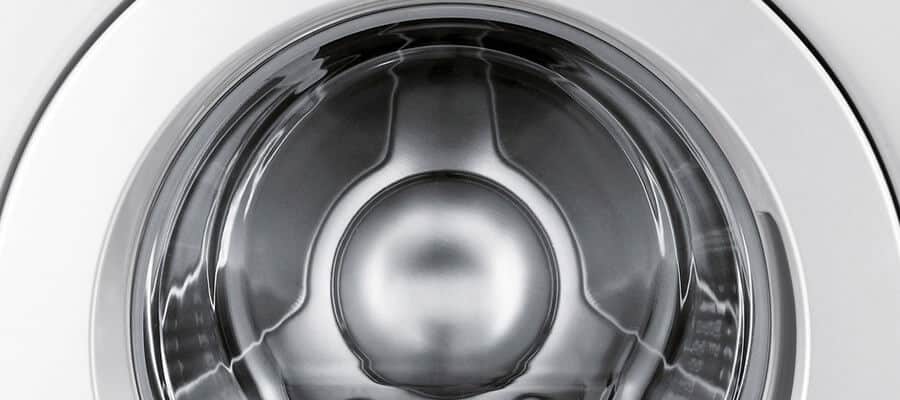
The typical washing machine lasts 10–15 years — longer if you treat it well, and shorter if you abuse it with heavy loads or run it several times a week.
Some brands are more durable than others, but every washer will wear down eventually, even washers known for their reliability.