
Tips for Extending Your Air Conditioner’s Lifespan
To help your air conditioner last longer, change the filters every 1 to 3 months, clean the condenser coils once a year, clear debris from the outdoor unit, check the drain line, and schedule professional maintenance each spring. These easy steps can add years to your system and lower your energy bills.
Why AC Maintenance Matters Before Summer Hits
Summers in Southern California are no joke. One week, it’s a comfortable 80°F, and the next, temperatures soar into the triple digits. You turn on your air conditioner, hoping for cool air, but instead you get weak airflow, odd noises, or air that isn’t cold. This can happen when maintenance is skipped, leading to problems.
Most air conditioning problems build up over time. With proper care, a central AC unit usually lasts 15 to 20 years, but without it, you might need a new one in 10 years or less. Regular maintenance can lower your energy bills, reduce the need for emergency repairs, and ensure your system is ready when the heat arrives.
Keep Your Cool When the Heat Arrives
Most air conditioners that break down early do so for a few common reasons: dirty filters, dirty coils, clogged drain lines, low refrigerant, and missed maintenance. Small issues can turn into bigger problems if ignored.
A clogged filter makes the blower motor work harder. Dirty coils make it harder for the system to release heat outside. When airflow is blocked, your AC runs longer, and your bills go up. Over time, these small issues can lead to costly repairs.
Southern California has its own unique challenges. Dust, pollen, and wildfire smoke can clog filters faster than many people realize. Homes in inland valleys and desert areas often get more buildup than those near the coast, so regular maintenance is especially important.
The Most Effective Ways to Extend Your Air Conditioner’s Life
1. Replace Air Filters Every 1–3 Months
Changing the filter is the easiest way to help your air conditioner. A clean filter lets air move freely through the system. A dirty filter restricts airflow, causing the unit to run longer and use more energy to cool your home.
- In most Southern California homes, replace 1-inch filters every 30 to 60 days during the hottest months, typically from July through September, and sometimes into October.
- Thicker 4- to 5-inch filters can last 6 to 12 months, but check them each month when your AC is working hard.
- If you have pets, allergies, or are affected by wildfire smoke, change your filter more often. MERV 8-11 filters usually provide a good balance of filtration and airflow for most homes.
2. Inspect and Clean the Condenser Coils Annually
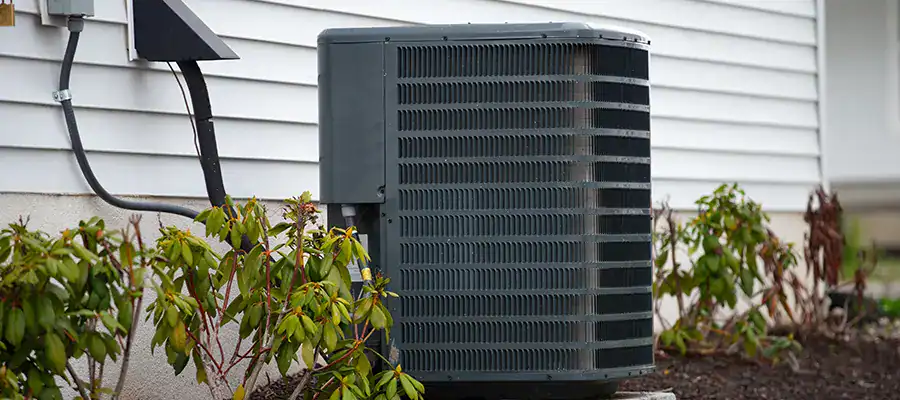
The outdoor condenser unit takes heat from your home and releases it outside. Over time, its coils can collect dust, grass, leaves, and other debris, making it harder for the system to work properly.
- Check the unit and gently rinse off any buildup at least once a year, ideally in early spring. Turn off the power at the disconnect box before cleaning, and don’t use a high-pressure spray, as it can bend the thin aluminum fins.
- When the coils have more than just light dust, you can use coil cleaner spray found at most home improvement stores. Choose a product made for HVAC condenser coils and follow the instructions.
- Foaming coil cleaners can loosen grime and help remove buildup, but use them only when needed. For regular cleaning, a gentle rinse is usually enough.
- If you live in a dusty area, have been exposed to wildfire smoke and ash, or have experienced a Santa Ana wind event, recheck your unit.
3. Keep the Area Around the Outdoor Unit Clear
Your condenser works best when there is space around it.
- Keep at least two feet clear on all sides and don’t crowd it with plants, storage, or fences.
- After windy days, take a few minutes to look for leaves, twigs, or other debris before turning your system back on. This simple habit can help your AC run better and last longer.
4. Check and Clear the Condensate Drain Line
When your air conditioner cools your home, it also removes moisture and sends it out through a drain line.
- This line can become clogged with algae, mold, or dirt, causing water damage or even shutting down your system.
- Pour a cup of distilled white vinegar into the drain line every few months to help prevent buildup.
- If your system has a drain pan, check it regularly for standing water or debris.
5. Schedule Professional Maintenance Every Spring
- Some issues can’t be seen without special tools. A licensed HVAC technician can spot low refrigerant levels, faulty capacitors, electrical problems, and other issues before they lead to expensive repairs.
- Regular maintenance can also help your system run better and last longer. Scheduling a tune-up in March or April helps you avoid the busy season when the first big heat wave hits.
6. Use a Programmable or Smart Thermostat
Keeping your air conditioner at the same temperature all day and night puts extra strain on the system. A programmable or smart thermostat lets you raise the temperature when you’re out and cool your home before you get back.
- The U.S. Department of Energy estimates that homeowners can save up to 10% annually on cooling costs by setting the thermostat 7–10°F higher for 8 hours a day. Since their baseline recommendation for when you are home is 78°F, raising it to around 85°F when you are out for several hours helps save energy.
- Many people think cranking down the thermostat to 65°F will cool the house faster, but it doesn’t. Your air conditioner cools at the same speed no matter how low you set it; it just runs longer and works harder to reach that cooler temperature.
7. Insulate and Seal Your Home
Your air conditioner works harder if your home has leaks or poor insulation.
- Gaps around doors, windows, and attic hatches let cool air out and hot air in.
- Many older homes in Southern California don’t have adequate attic insulation. Adding insulation and sealing leaks can make your AC work less and keep your home more comfortable all year.
8. Don’t Ignore Unusual Signs
Air conditioners often give you signs when something is wrong. Watch for:
- Strange noises
- Reduced airflow
- Warm air coming from the vents
- Frequent cycling on and off
- Unexpected increases in your energy bills
- Excess moisture around the indoor unit
Fixing small problems early usually costs less than waiting for a full breakdown in the middle of August.
A Simple Annual Maintenance Schedule
Here’s how to keep your air conditioner running like a champ.
- Monthly: Check or replace the air filter.
- Spring: Schedule professional maintenance and inspect condenser coils.
- Spring and Summer: Clear debris from around the outdoor unit.
- Every 3 Months: Flush the condensate drain line.
- Fall: Inspect weatherstripping and insulation.
- Year-Round: Monitor your energy bills for unusual spikes.
Small Habits, Long-Term Payoff
Air conditioners rarely break down all at once. They wear out slowly, often because of missed filter changes, skipped coil cleanings, or ignored warning signs.
Homeowners who get 18 to 20 years from their systems are usually the ones who make maintenance a regular habit. Most of these tasks only take a few minutes, and regular upkeep costs much less than replacing your system early.
When the next Southern California heat wave arrives (and you know it will), you’ll be glad you and your air conditioner are prepared.
FAQs: Extending Your AC’s Life
Q: How long does an air conditioner typically last?
A well-maintained central air conditioner usually lasts 15–20 years. Window units and mini-splits generally last 10–15 years. Routine maintenance plays a significant role in reaching the upper end of those ranges.
Q: How often should I replace my AC air filter in Southern California?
Most homeowners should replace standard 1-inch filters every 30–60 days during peak cooling season. Homes with pets, allergy sufferers, or exposure to wildfire smoke may require more frequent replacement.
Q: Can wildfire smoke affect my air conditioner?
Yes. Wildfire smoke contains fine particles that can clog filters more quickly and reduce airflow. After significant smoke events, it’s a good idea to inspect your filter and replace it if necessary.
Q: Can I clean my AC condenser coils myself?
Yes. Shut off power to the unit, then gently rinse the coils with a garden hose on a low-pressure setting. For heavier buildup, you can use a coil cleaner spray designed for HVAC systems, often sold at home improvement stores. Avoid pressure washers, which can damage the fins. If the coils are heavily soiled, professional cleaning may be advisable.
Q: Do I need coil cleaner spray every time I clean the condenser?
Not usually. For light dust and debris, a gentle rinse is often enough. Coil cleaner spray is more useful when the coils have stubborn grime, grease, or buildup that water alone can’t remove. Always use a product labeled for HVAC coils and follow the instructions on the can.
Q: How do I know if my AC refrigerant is low?
Common signs include warm air from the vents, ice forming on refrigerant lines or the evaporator coil, hissing sounds, and unusually long cooling cycles. Refrigerant issues should always be handled by a licensed HVAC technician.
Q: Is a spring AC tune-up really necessary?
Yes. Annual maintenance can identify developing problems before they require expensive repairs and help ensure your system operates safely and efficiently before summer arrives.
Q: How can I tell if my AC is short-cycling?
Short cycling occurs when your air conditioner repeatedly turns on and off after running for only a few minutes. Possible causes include dirty filters, thermostat problems, low refrigerant, or an improperly sized system. If you notice this behavior, schedule a professional inspection.
More Articles
0 Comments