
Ways to Cool Your Home Without AC in Southern California
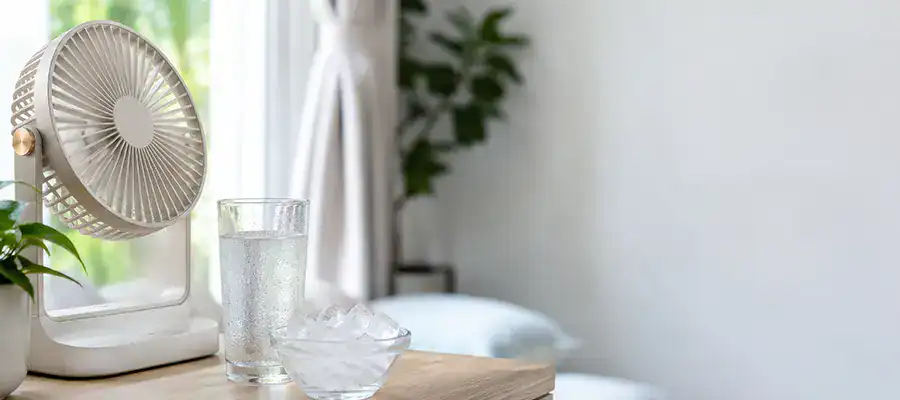
To cool a room without air conditioning, block direct sunlight with thermal curtains, improve airflow with cross-ventilation, and try evaporative cooling by placing ice in front of a fan.
Southern California homeowners can save money by using simple, energy-efficient methods during warm months and by planning longer-term strategies
Hello, Summer!
First comes May Gray. Then comes June Gloom. We spend weeks wondering whether the sun took a vacation. Then one morning, the marine layer disappears, the breeze goes quiet, the Southern California sun comes roaring back, and stepping outside feels like opening an oven door. Welcome to the dreaded and inevitable SoCal heatwave.
A Southern California heatwave can turn ordinary people into amateur cooling sleuths, searching for creative ways to beat the heat. Have you ever done any of these?
- Stood in front of the open freezer “just for a second.”
- Extended grocery trips to spend extra time in the refrigerated aisle.
- Followed the family dog to whichever patch of tile seemed the coolest.
- Gone to a movie with a 7% Rotten Tomato rating because the theater is air-conditioned.
- Debated whether it’s too expensive to turn on the AC or too hot not to.
Keep Your Home Comfortable Without 24/7 Air Conditioning
When temperatures climb, it’s normal to worry about soaring utility bills and an overworked air conditioner. But keeping your home comfortable doesn’t have to mean running your AC around the clock.
With a few simple improvements and some strategic habits, you can reduce indoor temperatures, lower energy costs, and put less strain on your cooling system. Better yet, most of these solutions are affordable DIY projects that require little more than a trip to your local hardware store.
This guide covers practical ways to cool your home naturally, from blocking solar heat and improving airflow to making your home more energy-efficient in the long term. Even lowering indoor temperatures by a few degrees can make a noticeable difference in comfort during a Southern California summer.
How Window Treatments Can Lower Your Room Temperature
Uncovered windows let in most of the unwanted heat in your home. Controlling sunlight is one of the fastest ways to lower indoor temperatures.
According to the U.S. Department of Energy, 76% of sunlight entering your home through standard double-pane windows adds heat. You can reduce this with a few simple upgrades.
Install Blackout Curtains
Heavy, tightly woven drapes with a white reflective backing prevent solar radiation from penetrating the room. Keep them completely closed on south-facing and west-facing windows during peak afternoon hours.
Apply Heat-Blocking Window Film
This is a weekend DIY project that yields immediate results. This material reflects infrared heat and UV rays before they enter the glass. You can find high-quality films at your local home improvement store.
Use Exterior Shades
Stop the heat before it even touches the glass. Bamboo blinds or exterior canvas awnings provide excellent shade and add curb appeal.
Take Advantage of Cross-Ventilation
Moving air helps cool you by increasing the rate of sweat evaporation. But if you place fans randomly, they simply move hot air around. To really lower the temperature, set up a cross-ventilation system.
When the temperature outside is the same or slightly cooler than inside, open windows on opposite sides of your home to create a wind tunnel. Put a box fan in a shady window, facing inward, to bring in cooler air. Place another fan in a sunny window facing outward to push hot air outside.
For the best cooling, open your windows in the evening when it is cooler outside than inside. This allows cool air to replace the warm air that accumulated during the day. Close windows early in the morning to trap that cooler air indoors.
Also, check your ceiling fans. In summer, set the blades to spin counterclockwise. This pushes air downward, making the room feel up to 4 degrees cooler.
Use Evaporative Cooling
Southern California’s dry heat is ideal for evaporative cooling. When water evaporates, it absorbs heat from the surrounding air, lowering the air temperature.
You can make a simple evaporative cooler in just a few minutes. Fill a large bowl with ice cubes or frozen water bottles and place it in front of a fan. As the fan blows over the ice, it helps circulate cooler air throughout the room.
Another option is to hang a damp sheet in front of an open window during the cooler evening hours. As air passes through the fabric, evaporation helps reduce the temperature of the incoming breeze.
Don’t Run Appliances During the Hottest Hours
Home appliances create extra heat indoors. Changing when and how you use them can help keep your home cooler right away.
Oven and Stove
Baking or boiling adds a surprising amount of heat to your kitchen and nearby rooms. Try grilling outside, using a microwave, or preparing cold meals like salads during the hottest part of the day.
Incandescent Bulbs
Old-style light bulbs convert much of their energy into heat. Replacing them with LEDs reduces both energy consumption and unwanted indoor warmth.
Dishwashers and Dryers
Run these appliances late at night or early in the morning. You can also air-dry clothing to reduce dryer use and lower energy costs.
Why Some Homes Feel Hotter Than Others
While quick fixes can improve comfort immediately, some homes face unique cooling challenges. Two-story homes often have much warmer upstairs rooms because heat naturally rises and accumulates near the ceiling.
- Proper attic insulation and ventilation can help reduce this problem. Install attic fans, ridge vents, or soffit vents to improve airflow and help remove trapped heat before it reaches your living spaces.
- Ceiling fans in rooms with vaulted ceilings can also improve air circulation and prevent warm air from collecting overhead.
- Reflective window film, energy-efficient blinds, and light-colored roofing materials can reduce heat gain and improve comfort throughout the home.
- Another option, although costly up front, is a zoned heating and cooling system, which allows different areas of the home to be cooled independently.
Consider a Portable AC for Problem Rooms
If one upstairs bedroom or office is consistently hotter than the rest of the house, and you don’t have zoned cooling, a portable air conditioner can provide targeted cooling without lowering the temperature in the rest of the house. While portable units use more electricity than fans, they can be a cost-effective solution when compared to running a central air conditioning system solely to cool a single room.
Longer-Term Projects to Improve Home Energy Efficiency
While quick fixes can provide immediate relief, some improvements continue delivering cooling benefits for years.
- Seal gaps around doors and windows to keep hot air out and conditioned air in.
- Apply fresh caulk and install weatherstripping around windows and doors to improve comfort and reduce energy waste.
- Plant native, drought-tolerant shade trees around your home. As they mature, they help block sunlight from windows, walls, and roofing materials, naturally lowering temperatures around your property.
Practical Strategies for Managing Your Thermostat
In most cases, it’s more energy-efficient to raise the thermostat when you’re away and cool the house later than it is to maintain a low temperature all day.
Here’s why:
- Heat naturally flows into your house from outside.
- The greater the temperature difference between indoors and outdoors, the faster heat enters.
- If you keep your home at 72°F all day when it’s 100°F outside, your AC has to continuously work to overcome that 28-degree difference.
- If you let the house warm up to 80°F while you’re away, the temperature difference is smaller, so less heat enters, and the AC runs less overall.
A common misconception is that an AC works “extra hard” to cool a hot room. Most residential AC systems run at essentially the same cooling rate whenever they’re on. Cooling from 80°F to 76°F doesn’t require a special burst of energy; it just means the unit runs longer.
That said, there are a few exceptions:
- Heatwaves lasting several days: If your home has poor insulation and temperatures remain extremely high overnight, letting the house get very hot can make it uncomfortable for hours after you return.
- Older HVAC systems: Older units may struggle to catch up if the indoor temperature climbs too high.
- Health and comfort concerns: If elderly family members, pets, or temperature-sensitive items are at home, maintaining a cooler temperature may be worthwhile.
For Southern California summers, a practical strategy is:
- Set the thermostat to around 78°F when you’re home.
- Raise it to 82–85°F when you’re away for several hours.
- Use ceiling fans and shades to improve comfort.
- Close blinds and curtains before the afternoon sun hits.
Start Preparing Your Energy-Efficient Cooling Projects Today
To cool a room without relying heavily on air conditioning, combine smart planning with a few simple home improvements. Blackout curtains, cross-ventilation, evaporative cooling, and weatherization can all help keep your home comfortable during hot weather.
Start by identifying which windows receive the most afternoon sun, and consider simple upgrades such as window film, weatherstripping, or blackout curtains. These affordable improvements can lower indoor temperatures, reduce energy use, and help you stay comfortable all summer long.
Cooling Checklist for Quick Results
- Install blackout curtains or reflective shades.
- Add weatherstripping around doors and windows.
- Set ceiling fans to rotate counterclockwise.
- Apply heat-blocking window film.
- Use your appliances in the early morning or evening.
- Create cross-ventilation with strategically placed fans.
FAQs: Cooling Your Home Without AC
Q: What temperature is too hot for a home without air conditioning?
Most people become uncomfortable when indoor temperatures rise above 80°F. Prolonged exposure to temperatures in the upper 80s or higher can become a health concern, especially for older adults, children, and pets.
Q: What is the most cost-effective way to cool a room quickly?
Creating cross-ventilation is one of the cheapest and fastest cooling methods. Open windows on opposite sides of your home, and use a box fan to push hot air out while drawing in cooler air.
Q: Should I keep my windows open or closed during the day?
Keep windows closed during the hottest part of the day, especially if outdoor temperatures are higher than indoor temperatures. Open them in the early morning and evening when outdoor air is cooler.
Q: Is it cheaper to leave the AC on all day or cool the house later?
In most cases, it costs less to raise the thermostat while you’re away and cool the house when you return. A home gains heat more slowly when the indoor temperature is closer to the outdoor temperature, reducing the total amount of work your air conditioner must do. Setting the thermostat a few degrees higher during the day can lower cooling costs without sacrificing comfort. If your home gets too hot, it may take hours to cool down.
Q: How much money can I save by limiting my AC use?
Savings vary by home and climate, but combining fans, shading, and passive cooling strategies can noticeably reduce summer cooling costs and lower overall energy consumption.
Q: Are blackout curtains worth it in hot climates?
Yes. Blackout curtains help block solar heat gain through windows, making rooms more comfortable and reducing the workload on your air conditioner.
Q: Does turning off lights make a room cooler?
Traditional incandescent and halogen bulbs generate heat. Turning them off or replacing them with LEDs can reduce the amount of heat added to a room.
Q: Which rooms in a house usually get the hottest?
Rooms on upper floors, spaces with south and west-facing windows, and areas directly beneath the roof, such as vaulted ceilings, typically experience the highest temperatures during summer afternoons.
More Articles
0 Comments