

How to Clean a Dishwasher: A Step-by-Step Guide
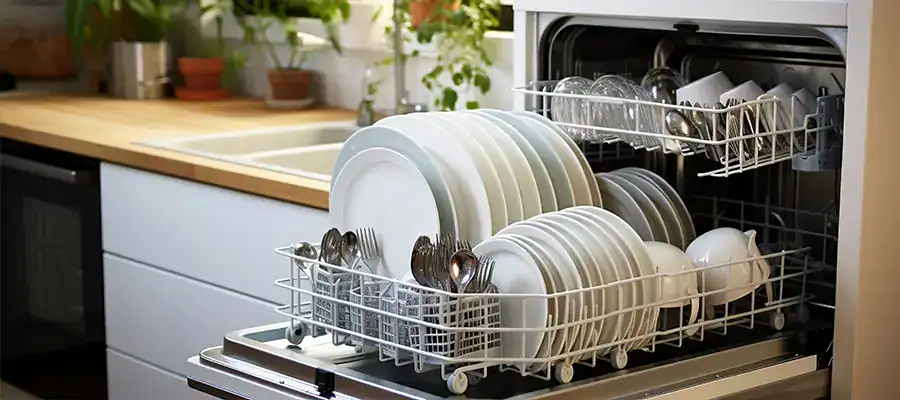
Cleaning your dishwasher is simple and only needs basic household items like white vinegar and baking soda. Start by clearing debris from the drain and scrubbing the filter. Then run a hot-water cycle with vinegar to remove hard-water buildup, followed by a short baking-soda cycle to eliminate odors.
Regular cleaning helps your dishwasher run more efficiently and last longer.
Even Your Dishwasher Needs a Bath Sometimes
You may run your dishwasher frequently, but it still needs a bath now and then. After all, neglecting regular cleaning rarely ends well. Consider the case of King Louis XIV, who suffered from severe skin disease and eye-watering body odor. Supposedly, the Sun King took only three baths in his long lifetime, and even heavy perfume couldn’t hide the consequences. Thankfully, your dishwasher is much easier (and cheaper!) to freshen up.
If your glasses look cloudy, your machine smells a little swampy, or your dishes just aren’t coming out as spotless as they should, your dishwasher may be overdue for a refresh. Cleaning it is simple, inexpensive, and takes basic supplies you already have.
With a little white vinegar, baking soda, and a few easy steps, you can remove grease, hard water buildup, and mystery gunk. In Southern California, where hard water can quickly leave mineral deposits, regular maintenance can help your appliance run more efficiently and last longer.
Why You Need to Clean Your Dishwasher
It sounds counterintuitive, but a dishwasher can get pretty dirty.
Over time, food particles, grease, soap residue, and hard water scale build up in the filter, spray arms, and drain. Left alone, that buildup can affect performance and even lead to repairs.
Regular cleaning helps:
- Improve energy efficiency: A clean dishwasher doesn’t have to work as hard, helping reduce water and electricity use.
- Prevent costly repairs: Routine maintenance can help you avoid clogs, leaks, and premature breakdowns.
- Get dishes cleaner: Better water flow and cleaner components mean better results.
- Eliminate odors: Your dishwasher shouldn’t smell like last week’s leftovers.
- Reduce hard water buildup: This is especially important in areas with mineral-heavy water.
- Extend appliance lifespan: A little maintenance now can add years of performance.
Gather Your Cleaning Supplies
No specialty products required. Just grab:
- Distilled white vinegar
- Baking soda
- Soft-bristled toothbrush or small scrub brush
- Microfiber cloth
- Warm, soapy water
- Toothpick or a small piece of wire
- Dishwasher-safe bowl or cup
Optional but helpful:
- Stainless steel cleaner for the exterior
- Gloves if you’re tackling extra grime
- Owner’s manual for spray arm removal instructions
How to Clean a Dishwasher Step by Step
Follow these simple steps to get your dishwasher sparkling like new.
Step 1: Inspect and Clear the Drain
- Remove the bottom rack and look around the drain area. This is where food scraps, labels, broken glass, and other debris tend to gather.
- Remove any blockages in the drain by hand, then wipe away loose debris. Clearing the drain helps prevent odors, standing water, and drainage issues.
Step 2: Remove and Wash the Filter
If you’ve never cleaned the filter before, prepare to be humbled (what is all that gross stuff?).
- Remove the dishwasher filter according to your model’s instructions; most twist out easily.
- Wash the filter in warm, soapy water and scrub away food residue, grease, soap scum, and mineral buildup.
- If hard water deposits are stubborn, soak the filter in white vinegar for about 15 minutes before scrubbing.
- Thoroughly rinse the filter and reinstall.
Step 3: Clean the Spray Arms
- The spray arms do the heavy lifting, but clogged holes can reduce water pressure and leave dishes dirty.
- Check that they spin freely, then inspect the spray holes.
- Use a toothpick or small wire to gently remove seeds, mineral deposits, food particles, and any other unexpected surprises.
- If your manual allows it and the spray arms are clogged, remove them for a deeper clean.
Step 4: Run a Vinegar Cycle
Cleaning with white vinegar is like hitting the reset button on the whole machine.
- Place a dishwasher-safe bowl filled with 1 cup of white vinegar on the top rack.
- Run the hottest cycle with an empty dishwasher—no detergent, no dishes.
- The vinegar helps break down hard water scale, grease buildup, soap residue, and lingering odors.
Step 5: Run a Baking Soda Rinse
Cleaning with baking soda is simple, cheap, and effective.
- After the vinegar cycle, sprinkle 1 cup of baking soda across the bottom of the dishwasher.
- Run a short hot-water cycle. This helps freshen the interior, lift light stains, neutralize odors, and add a little extra sparkle.
Step 6: Wipe Down the Seals & Exterior
Now it’s time to give the outside of your dishwasher a glow-up, too. And don’t forget the door gasket!
- Use a microfiber cloth dampened with white vinegar to wipe the door seals and edges, detergent dispenser, and any other nooks and crannies.
- Use an old toothbrush for tight spots.
- Wipe down the exterior and control panel.
- For stainless steel finishes, polish away fingerprints and water spots with a stainless steel cleaner.
Easy Maintenance Tips to Keep Your Dishwasher Running Efficiently
Deep cleaning every few months helps, but these habits make a big difference between cleanings:
- Run hot water in your sink before starting a cycle: This ensures the dishwasher starts cleaning immediately with hot water.
- Scrape, don’t pre-rinse: Remove large food scraps, but skip over-rinsing. Modern detergents actually work better with a little residue.
- Leave the door cracked open: After unloading, keep the door slightly ajar to reduce moisture and discourage mold.
- Check the temperature of your water heater: Dishwashers generally perform best with water around 120°F.
- Clean the filter monthly: A quick monthly filter rinse can prevent major buildup.
- Avoid overloading: Loading dishes too tightly blocks water flow and can make your dishwasher work harder.
- Use a rinse aid: It helps prevent water spots, reduces hard-water film, and can improve drying performance. If your glasses come out cloudy, this small addition can make a big difference.
Keep Your Appliances Running Smoothly
Cleaning your dishwasher isn’t glamorous, but it pays off.
A clean machine runs more efficiently, smells better, cleans better, and may help you avoid costly repairs down the road.
Make it part of your regular home maintenance checklist along with changing HVAC filters and organizing the garage (maybe!).
Your dishwasher will thank you, your dishes will shine, and your nose will be grateful, too.
FAQs: Cleaning a Dishwasher
Q: How often should I clean my dishwasher?
Clean the filter about once a month and deep-clean the dishwasher every 3 to 4 months. If you have hard water or run frequent loads, you may want to clean it more often.
Q: Can I use white vinegar every month?
Yes, a monthly vinegar cycle is generally safe for routine maintenance and helps control mineral buildup and odors.
Q: Why does my dishwasher still smell after cleaning?
Check the filter, drain, door gasket, and garbage disposal connection. Odors often come from trapped food in one of those areas.
Q: Is baking soda safe for dishwashers?
Yes. Baking soda is a gentle deodorizer and mild cleaner that works well for freshening up the interior.
Q: Can I use a commercial dishwasher cleaner instead?
Absolutely. Dishwasher cleaning tablets work well, though vinegar and baking soda are effective for regular maintenance.
Q: Why are my dishes coming out cloudy?
Cloudy dishes are often caused by hard water deposits, too much detergent, or low-quality rinse aid. Cleaning the dishwasher and adding rinse aid can help.
Q: What causes standing water in the bottom of a dishwasher?
It’s usually a clogged filter, blocked drain, or drainage hose issue. Start by checking for debris that may be blocking the drain before assuming there is a bigger problem.
Q: How do I know if the dishwasher’s spray arms are clogged?
If dishes stay dirty or certain racks aren’t cleaning well, clogged spray holes may be the issue. Inspect and clear them with a toothpick for better water flow.
More Articles
0 Comments