

Why Is My Dishwasher Overflowing? Common Causes Explained
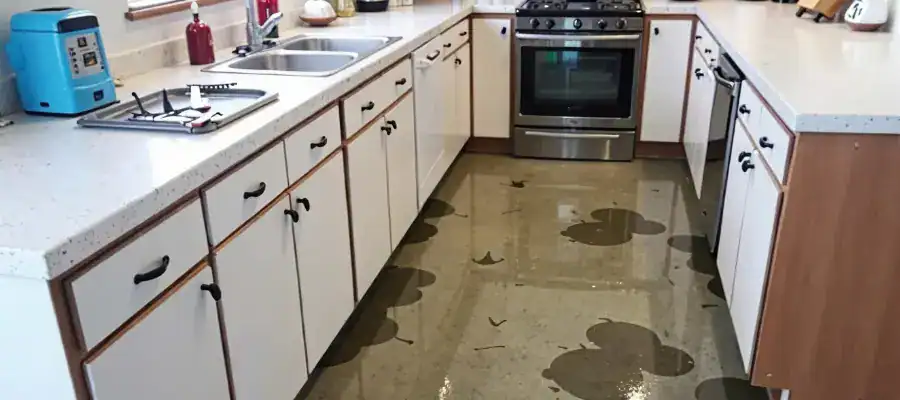
You enter the kitchen and step into a puddle of soapy water. Your dishwasher is overflowing, and water is forming a manmade lake.
An overflowing dishwasher can damage flooring, cabinets, and nearby appliances. In many cases, the problem stems from a few common issues that are easy to identify.
In this guide, we explain why dishwashers overflow, how to pinpoint the cause, and what you can do to prevent it from happening again.
1. A Stuck or Broken Float Assembly
Your dishwasher’s float assembly monitors water levels. It works just like the float in your toilet tank.
As water fills the bottom of the dishwasher, the float rises. Once the water reaches a specific height, the float triggers a switch that tells the water inlet valve to close.
When the float assembly fails, the water never stops flowing. Here’s why it might stop working:
- Debris blockage: Bits of food or broken glass can wedge under the float.
- Mineral buildup: Hard water leaves calcium deposits that glue the float in place.
- Faulty switch: The physical float moves fine, but the electronic switch beneath it breaks.
- Damaged wiring: The wires connecting the switch to the control board degrade or snap.
2. A Faulty Water Inlet Valve
The water inlet valve controls the hot water entering your dishwasher. The machine’s timer or control board tells this valve when to open and close.
Sometimes, the valve breaks while stuck in the open position. When this happens, water continues pouring into the appliance, regardless of signals from the float switch.
Signs you have a bad water inlet valve include:
- Water filling the dishwasher even when the machine is turned off.
- The tub filling much faster than usual.
- A loud buzzing sound coming from the bottom of the machine during the fill cycle.
- Visible cracks or leaks on the valve itself.
If the valve fails, you must replace the entire valve unit.
3. Using the Wrong Dish Detergent
Dishwashers require specially formulated, low-sudsing detergents.
Many people make the mistake of putting regular liquid dish soap into the detergent dispenser. Regular dish soap creates massive amounts of thick foam.
Your dishwasher’s pump can’t handle these heavy suds. The foam rapidly expands, pushing water past the door seals and onto your floor.
To prevent suds-related overflows:
- Never use standard liquid sink soap in your dishwasher.
- Only use pods, powders, or liquids labeled explicitly for automatic dishwashers.
- Avoid using too much detergent, especially if you have soft water.
- Rinse your machine with cold water and a cup of white vinegar if suds overflow.
4. A Clogged Filter or Drain Hose
Your dishwasher needs a clear path for the pump to discharge dirty water. If the water can’t drain, the next fill cycle will pump new water directly onto the old water, leading to an overflow.
Check these areas within the drainage system for a clog:
- The filter is located at the bottom of the tub. It catches food chunks and grease. A blocked filter stops all water from draining.
- The drain hose is a ribbed plastic tube connecting the dishwasher to your sink drain. It can kink or clog with food sludge.
- The drain pump is the motor that forces water out. Small bones or fruit pits can jam the pump impeller.
5. Garbage Disposal & Air Gap Issues
Your dishwasher probably shares a drain line with your kitchen sink and garbage disposal. A problem under your sink directly impacts your dishwasher.
If you recently installed a new garbage disposal, check the knockout plug. Installers must remove a small plastic plug from the disposal before connecting the dishwasher hose. If they forget, the dishwasher can’t drain at all.
Also, check your air gap — the small, cylindrical fixture next to your kitchen faucet. It prevents dirty sink water from siphoning back into your clean dishwasher.
- Air gaps frequently clog with food particles.
- A clogged air gap forces water out of the holes and onto your counter.
- You can clean an air gap by popping off the silver cover and removing the debris with a bottle brush.
6. Worn or Damaged Door Gaskets
Sometimes a dishwasher’s water level is perfectly normal, but the door can’t contain the water.
The door gasket is a thick rubber seal that creates a watertight barrier when you latch the door. Over time, the rubber degrades.
Inspect your door gasket for these common issues:
- Tears or deep cracks in the rubber.
- Sections of the gasket pulling away from the door frame.
- Heavy grease or grime buildup preventing a tight seal.
- Stiffness or brittleness due to old age and heat exposure.
If the gasket looks damaged, peel it out and press a new one into the channel. It’s a quick, inexpensive fix that stops most door leaks.
What to Do When Your Dishwasher Overflows
Follow these steps to minimize water damage to your home:
- Stop the cycle: Press the cancel button to stop the wash cycle and trigger the drain pump.
- Turn off the power: Unplug the dishwasher or flip the circuit breaker. Water and electricity create a lethal combination.
- Shut off the water: Locate the water supply valve under your sink and turn it clockwise until it’s tightly closed.
- Clean up the mess: Use heavy towels or a wet/dry vacuum to immediately soak up the water on the floor.
- Empty the tub: Open the dishwasher and bail out standing water with a cup and bucket.
FAQs About Overflowing Dishwashers
How do I stop an overflowing dishwasher immediately?
Press the cancel button on your control panel to stop the cycle. If the water keeps flowing, open the door slightly to stop the machine, then reach under your kitchen sink and turn off the hot water supply valve. Finally, turn off the power at the circuit breaker to ensure your safety.
Can using regular dish soap cause an overflow?
Yes. Regular dish soap produces excessive foam. The dishwasher can’t pump these suds out, causing them to expand rapidly and push water through the machine’s door seals.
Where is the dishwasher float switch located?
You’ll find the float assembly inside the dishwasher tub, resting on the bottom floor. It usually looks like a small plastic dome or mushroom. The electronic switch sits directly beneath this dome, hidden behind the dishwasher’s bottom kickplate.
How much does it cost to fix an overflowing dishwasher?
Costs vary based on the broken part. A new door gasket or float switch usually costs between $50 and $100 when installed yourself. If you hire a professional to replace a water inlet valve or drain pump, expect to pay between $150 and $300 for parts and labor.
Why does my dishwasher overflow only sometimes?
Intermittent overflows usually point to a sticky float switch or a partially clogged filter. Sometimes the float gets temporarily jammed by a stray piece of food, but it frees itself by the next cycle. Clean your filter and wipe down the float dome to solve this issue.
How often should I clean my dishwasher filter?
You should clean your dishwasher filter at least once a month. If you run the machine daily, do not rinse your plates, or have hard water, you should clean the filter every two weeks. Simply twist it out and wash it in the sink with warm, soapy water.
Can a clogged sink make a dishwasher overflow?
Yes. Your dishwasher drains directly into your sink’s plumbing. If your sink drain or garbage disposal is clogged, the dirty dishwasher water has nowhere to go. It will back up into the dishwasher tub and eventually overflow onto the floor.
Should I run an empty cycle after fixing a leak?
Yes. After replacing a part or clearing a clog, run a short cycle with the machine completely empty. Stay in the kitchen and watch the appliance closely. This allows you to verify the fix worked without risking damage to your dishes or causing another massive flood.
More Articles
0 Comments