

Is Your Dishwasher Not Cleaning Dishes? Here’s Why
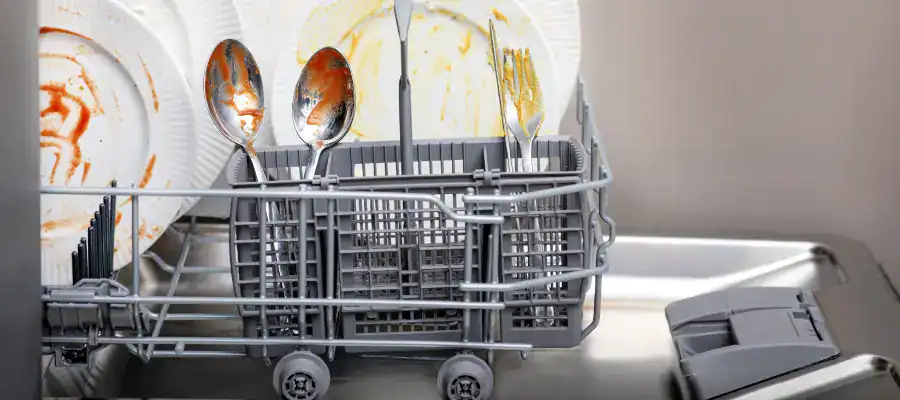
You load the dishwasher, start the cycle, and return after an hour to find dried-on food, greasy plates, and cloudy glasses.
What the hey? And what’s the point of a dishwasher that won’t wash? You can’t write it up like a bad employee.
Take a breath before assuming the worst or rushing to call a repair technician. Many dishwasher problems are easy to fix DIY. In this guide, we’ll examine the most frequent reasons dishwashers stop cleaning, from simple maintenance oversights to loading mistakes and worn-out parts.
Follow the steps, and spotless dishes may be your reward!
1. The Spray Arms Are Clogged or Obstructed
The spray arms spin and distribute hot water throughout the tub. If they can’t spin freely or if the jets are blocked, water won’t reach every dish.
- Check for Obstructions: Spin the arms manually. If they hit a tall plate or a stray piece of silverware sticking out of the basket, rearrange the load.
- Inspect the Holes: Over time, food particles, hard water deposits (lime), or even glass shards can clog the tiny holes in the spray arms.
- Clean the Arms: Remove the arms (usually a simple twist-off or unscrew mechanism) and use a toothpick or wire to clear debris from the holes. Rinse them under the faucet before reinstalling.
2. The Filter Is Dirty
Most dishwashers now use manual filters that catch food to keep dishes clean. If clogged, water cannot flow or drain properly, leaving dishes dirty.
- Locate the Filter: It’s usually found at the bottom of the dishwasher tub, under the lower spray arm.
- Remove and Rinse: Twist to unlock the filter and pull it out.
- Scrub Debris: Run it under hot water and use a soft brush to remove greasy buildup or trapped food.
- Frequency: Clean this once a month for optimal performance.
3. The Inlet Valve Is Faulty
The inlet valve controls water flow. If clogged or faulty, the unit won’t get enough water to clean effectively.
- Listen for Water: Start a cycle and listen. If you don’t hear water rushing in, or the fill level seems very low (below the heating element), check the inlet valve.
- Look for Clogs: The screen inside the valve can get clogged with mineral deposits.
- Replacement: If cleaning the screen doesn’t work, the valve solenoid might be burned out. This usually requires a replacement part, which is an intermediate DIY task.
4. Improper Loading Techniques
Overloading or blocking water paths prevents the detergent and water from doing their job.
- Angle Dishes: Place dishes facing inward and downward toward the spray arms.
- Avoid Nesting: Spoons and forks should be mixed to prevent them from “spooning” together, which hides surfaces from the water.
- Place plastics on the top rack to avoid melting. Put dirty pots and pans on the bottom.
- Detergent Dispenser: Ensure that tall baking sheets or cutting boards aren’t placed right in front of the soap dispenser door, blocking it from opening.
5. Detergent Dispenser Failure
If the soap cup doesn’t open, the detergent can’t mix with the water at the right time.
- Check the Spring: The dispenser door relies on a small spring and latch. If the spring is broken or the latch is gummed up with old soap residue, it won’t open.
- Clear Residue: Clean the dispenser thoroughly with hot water to remove sticky buildup.
- Switch Detergent: If you use pods, ensure your hands are dry when handling them. Wet hands can make the pod stick to the plastic cup and fail to dissolve.
6. The Heating Element Is Burned Out
Hot water dissolves grease and activates detergent. Dishwashers use an internal heating element to reach about 140°F (60°C).
- Check Water Temp: Run the hot water at your kitchen sink before starting the dishwasher. This primes the line, so the machine starts with hot water.
- Inspect the Element: Look at the metal loop at the bottom of the tub. If you see breaks, blistering, or burn marks, the element is damaged.
- Multimeter Test: You can test the element for continuity using a multimeter. If there’s no continuity, the part needs to be replaced.
7. Hard Water Buildup
Hard water (common in Southern California) causes cloudy dishes and can clog dishwasher parts.
- Vinegar Rinse: Place a dishwasher-safe bowl filled with white vinegar on the top rack and run a hot cycle without detergent. The acid helps break down mineral deposits.
- Rinse Aid: Ensure your rinse aid dispenser is full. Rinse aid reduces surface tension, preventing water droplets from drying into spots.
- Water Softener: If the problem persists, consider installing a whole-home water softener to protect all your plumbing appliances.
8. The Wash Impeller Is Broken
The wash impeller, a small fan in the pump, pushes water through spray arms. Broken fins reduce pressure and cleaning power.
- Symptom: The machine fills and drains, but the spray arms don’t spin with enough force (or at all).
- Access: This is a more advanced repair. To inspect the impeller, you need to remove the spray arm and pump cover.
- Replacement: If fins are missing or the impeller spins loosely on the shaft, the kit must be replaced.
FAQs: When a Dishwasher Doesn’t Clean
Q: How often should I clean my dishwasher filter?
You should clean the manual filter once a month. If you rinse dishes thoroughly before loading, you may get away with doing it every two months. If you scrape but don’t rinse, monthly cleaning is mandatory to prevent grit recirculation.
Q: Can I use bleach to clean my dishwasher?
Skip bleach in stainless steel models to prevent rust. For plastic ones, bleach treats mold, but never mix bleach with vinegar (produces toxic gas).
Q: Why are my glasses coming out cloudy?
Cloudy glasses usually mean hard water or etching. If vinegar removes haze, it’s hard water; if not, it’s etching from detergent or water. Use less detergent and softer water to prevent it.
Q: Is it worth repairing a 10-year-old dishwasher?
Repairs over 50% of a new dishwasher’s price aren’t worth it. Dishwashers last 10–12 years; replace if old and costly to fix.
Q: Why does my dishwasher smell bad?
Bad smells come from trapped food in the filter or spray arms. Clean these, wipe the door gasket, and run a cleaning cycle with dishwasher cleaner or vinegar.
Q: Do I really need to use rinse aid?
Yes. Rinse aid is vital in modern dishwashers for spot-free, dry dishes, especially plastics.
Q: Why is there water left in the bottom of my dishwasher?
A small puddle in the sump is normal, but water covering the bottom signals drainage trouble. Check the filter, drain hose, or garbage disposal for clogs.
Q: Can I replace the water inlet valve myself?
Yes, it’s a manageable DIY project for those with some skills. Shut off water and power, then swap the valve. Always turn off the breaker first.
More Articles
0 Comments